Physical Address
304 North Cardinal St.
Dorchester Center, MA 02124
Physical Address
304 North Cardinal St.
Dorchester Center, MA 02124
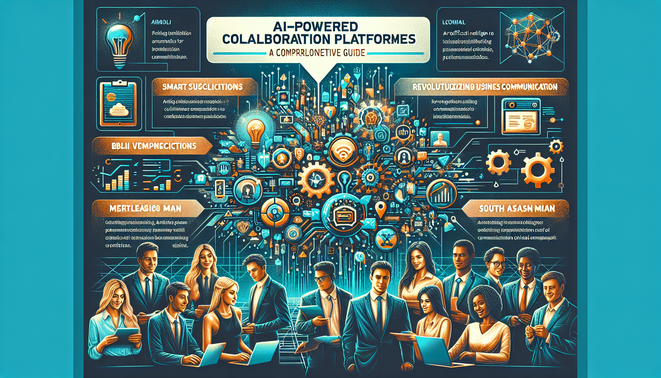
AI-Powered Collaboration Platforms: A Comprehensive Guide
Meta Summary: Dive into the transformative world of AI-powered collaboration platforms like Microsoft Loop and Google Workspace, exploring their features, benefits, and impact on business productivity and teamwork.
Key Takeaways
AI-powered collaboration platforms significantly enhance teamwork and productivity.
Microsoft Loop offers seamless integration with Microsoft 365, while Google Workspace excels in smart assistance and data analysis.
Integration with existing systems is crucial for maximizing platform benefits.
Real-world case studies underscore the transformative impact of AI tools on enterprise workflows.
Introduction to AI-Powered Collaboration Platforms
Revolutionizing Business Communication with AI
AI-powered collaboration platforms are revolutionizing business communication and productivity by integrating artificial intelligence into traditional software suites. These platforms enhance teamwork, streamline processes, and empower teams to achieve more with less effort.
Understanding AI-Powered Software Suites
AI-powered collaboration platforms are suites that utilize artificial intelligence to improve teamwork, productivity, and communication. In the competitive business landscape, integrating AI into collaboration tools has emerged as a market trend, driven by the need for enhanced productivity suites that meet modern enterprise demands.
Learning Objectives:
Understand the value of AI in collaboration tools.
Recognize the market trends for AI-driven productivity suites.
Best Practices for Implementing AI Tools
Continuously assess team adoption and effectiveness of AI tools.
Regular training sessions can ensure teams are up-to-date with new features.
Tip: Encourage teams to provide feedback on AI tools to ensure they are meeting team needs effectively.
Potential Challenges
Over-relying on AI tools can lead to a lack of critical thinking in teams.
Ignoring user feedback can result in the underutilization of the platform.
Exploring Microsoft Loop AI Components
Enhancing Collaboration with Microsoft Loop
Microsoft Loop offers a suite of AI components designed to enhance collaboration by integrating seamlessly with other Microsoft products like Teams and Outlook, providing intelligent suggestions and dynamic content creation.
Microsoft Loop’s AI Capabilities
Microsoft Loop is a collaboration platform that leverages AI to create fluid workflows. Its key features include AI-driven suggestions for content creation, workflow automation, and strong integration capabilities within the Microsoft ecosystem.
Learning Objectives:
Identify key features of Microsoft Loop’s AI components.
Evaluate the integration capabilities of Microsoft Loop with other Microsoft products.
Practical Exercises
Create a Project Plan with AI Components: Experience how AI suggestions streamline workflows.
Integrate Microsoft Loop with Teams: Document the process of integration to enhance productivity.
Insights from Implementation
A case study of Company ABC implementing Microsoft Loop showed a 30% increase in project turnaround time, highlighting the platform’s effectiveness in enhancing collaboration.
Discovering Google Workspace AI Features
Boosting Productivity with Google Workspace
Google Workspace integrates AI to boost efficiency through features like smart suggestions in Google Docs, predictive text, and intelligent analysis in Sheets, enabling effective collaboration.
The Power of Google Workspace AI
Google Workspace leverages AI to optimize productivity with tools that include smart composition in Docs, data insights in Sheets, and automated scheduling in Calendar, all enhancing team efficiency.
Learning Objectives:
List AI features in Google Workspace.
Assess the productivity enhancements from Google Workspace’s AI tools.
Hands-On Activities
Leverage Google Docs’ AI Writing Suggestions: Produce a collaborative document to evaluate efficiency.
Use AI Functions in Google Sheets: Analyze data trends and present findings for team evaluation.
Note: Using AI tools like those in Google Workspace can save significant time and effort in generating insights and content.
Comparing AI Capabilities of Microsoft Loop and Google Workspace
Analyzing AI Strengths and Differences
Microsoft Loop and Google Workspace offer robust AI capabilities, but differ in execution and focus areas. While Microsoft Loop excels in integration within its ecosystem, Google Workspace offers strong data analysis and smart assistance features.
Detailed Comparison of Platform Features
A comparative analysis reveals distinct benefits: Microsoft Loop provides deep integration with Microsoft 365, while Google Workspace focuses on AI-powered data analysis and writing assistance.
Learning Objectives:
Differentiate the AI capabilities of Microsoft Loop and Google Workspace.
Analyze how each platform handles data security and privacy.
Key Considerations
Encourage feedback from users to improve collaboration processes and tool effectiveness.
Avoid over-reliance on AI suggestions to maintain creativity and originality.
Integrating AI-Powered Platforms with Existing Systems
Maximizing Platform Value through Integration
Integrating AI-powered platforms into existing systems maximizes their value. Both Microsoft Loop and Google Workspace offer extensive capabilities for seamless interoperability with other software and environments.
Simplifying Integration Processes
Integration combines technical components to work seamlessly. Microsoft Loop and Google Workspace offer robust API offerings that facilitate integration, enhancing collaboration and operational effectiveness.
Learning Objectives:
Evaluate the ease of integrating both platforms in cloud-native environments.
Discuss the API offerings of Microsoft Loop and Google Workspace.
Best Practices for Successful Integration
Regularly train staff on new AI platform updates to optimize integration benefits.
Case Studies on Team Workflow Transformations
Real-World Impacts of AI on Team Workflows
Case studies illustrate the transformative impact of AI-powered platforms on team workflows, boosting collaboration and efficiency across industries.
Lessons from Enterprise Applications
Real-world applications of AI-driven tools, like Company ABC’s use of Microsoft Loop, show a 30% increase in project turnaround time, underscoring its ability to streamline communication and task management.
Learning Objectives:
Explore real-world applications of both platforms in enterprises.
Understand the AI impact on team collaboration and efficiency.
Continuous Improvement
Continuously evaluate AI tool effectiveness and adjust strategies to enhance workflow outcomes.
Conclusion and Recommendations for Businesses
Shaping the Future with AI-Powered Tools
AI-powered collaboration platforms like Microsoft Loop and Google Workspace are pivotal in redefining enterprise productivity. Businesses should align their specific needs with the capabilities of these platforms to maximize benefits.
Strategic Decision-Making with AI Integration
The integration of AI into collaboration platforms offers advantages such as improved efficiency and decision-making. Enterprises should assess unique requirements, considering integration capabilities, data security, and user experience when choosing a platform.
Learning Objectives:
Summarize key findings and implications for enterprise decision-making.
Provide strategic recommendations for businesses based on case studies.
Strategic Recommendations
Align your organization’s needs with platform capabilities for the best outcomes.
Cultivate an environment that encourages AI tool adoption, maximizing their potential.
Visual Aid Suggestions
Screenshot of Microsoft Loop workflow interface: Visualize AI suggestions in action.
Diagram comparing key features: Visually break down similarities and differences between Microsoft Loop and Google Workspace AI.
Glossary
AI-Powered Collaboration Platform: Software that enhances teamwork, productivity, and communication by utilizing artificial intelligence.
Integration: The seamless combination of technical components ensuring interoperability.
SaaS (Software as a Service): Cloud-based service accessed via an internet browser rather than downloaded software.
Knowledge Check
What are the key advantages of using AI in collaboration platforms?
[ ] Improved data storage
[x] Enhanced teamwork and productivity
[ ] Increased hardware requirements
[ ] Simplified user interfaces
Explain how Microsoft Loop AI components can improve team productivity.
Identify a major benefit of integrating AI platforms with existing systems.
[x] Seamless interoperability and enhanced collaborative efficiency
[ ] Reduced data security
Further Reading
Microsoft Loop Official Site
Google Workspace AI Overview
AI and Machine Learning Trends in 2022
